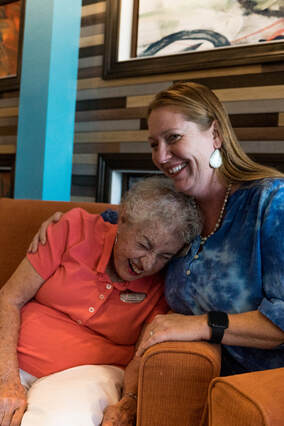
 One of the most stressful events in life involves packing up your possessions and moving to another home, whether the new home is a few blocks away or halfway across the country. If you have lived in your home for many years, making the transition to our senior housing community in Rio Rancho, New Mexico can be downright intimidating. This is the most significant adjustment you can expect to make during your senior years.
Let’s take a look at how to ease the transition to an assisted living facility in Rio Rancho. Start With a Tour The timeless adage “familiarity breeds contempt” certainly does not apply to a new home. You should become as familiar as possible with the assisted living facility in Rio Rancho that you have chosen as your new home. At our senior housing community in Rio Rancho, we offer scheduled tours to help new residents become familiar with their new surroundings. You get the opportunity to talk with residents and staff members, as well as enjoy a meal in the dining rooms. Get Involved in Activities At our assisted living facility in Rio Rancho, we organize many activities throughout each month to keep residents busy. From organizing day trips to different venues in Albuquerque to scheduling in-house events such as bingo night, our bustling activities calendar offers new residents a way to make the tough transition to their new homes. Participating in activities is an effective way to develop friendships with the other residents. Interact With Loved Ones Treat your new home at our senior housing community in Rio Rancho like you treated your old home before the big move. This means you should invite friends and family members to visit you whenever they can. Interacting with friends and family members allows you to maintain the social connections you had before transitioning to an assisted living facility. You also should spend time outside our assisted living facility in Rio Rancho with friends and family members by meeting for lunch or enjoying the matinee showing of a favorite movie. Stay Involved Outside the Community Just because you moved into an assisted living facility does not mean you have to stop participating in activities that are outside of the community. Continue to get involved in any club that focuses on your favorite hobby. Remain active with any volunteer groups that you support with your hard work. Recruit some of the new friends you have met at MorningStar-Rio Rancho to join you in getting involved with a club or group. One of the most popular group activities for seniors is exercising as a group at a fitness center. Do Not Rush the Emotional Transition No matter how thorough you are in preparing for a move from a home you lived in for decades to an assisted living facility in Rio Rancho, NM, you can expect some emotional bumps in the road. Embrace any emotional bumps in the road as part of the transition. Eventually, any fear, anxiety, and apprehension of transitioning to an assisted living facility should disappear. The best way to work out any emotional issues is to talk to one of your new friends or one of the caregivers at our senior housing community in Rio Rancho. As they say, time heals all wounds, especially the emotional wounds that can develop when you leave an old home for a new home at an assisted living facility.
0 Comments
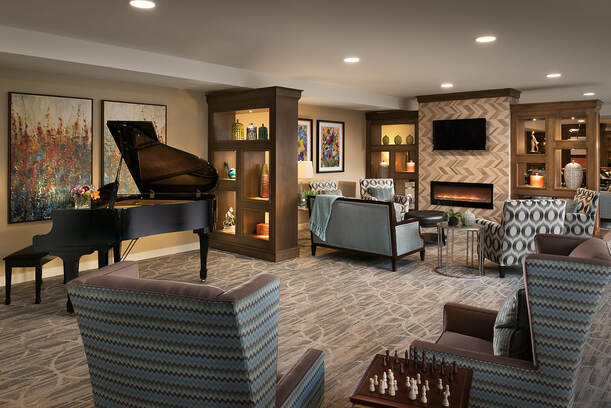 Living in an assisted living community offers numerous social benefits that can greatly enhance the quality of life for seniors. These benefits are particularly evident in places like assisted living Fountain Hills and senior living Scottsdale, where a strong emphasis is placed on creating vibrant, supportive community environments.
Fostering Social Connections Assisted living communities are designed to foster social connections. They offer communal spaces and a host of social activities that encourage residents to interact and form friendships. Regularly scheduled events such as games nights, movie screenings, and group outings provide residents with continuous opportunities to engage with others, ensuring that everyone has the chance to be part of the community. Reducing Isolation and Loneliness One of the most significant benefits of assisted living is the reduction of isolation and loneliness among seniors. Living alone can be isolating, particularly if mobility issues make it difficult to get out and about. Assisted living communities like those in Fountain Hills and Scottsdale provide a built-in social network of peers and staff, along with daily activities that bring residents together, fostering a sense of belonging and reducing feelings of loneliness. Access to Cultural and Recreational Activities Residents of assisted living communities enjoy regular access to cultural and recreational activities that might otherwise be inaccessible. These activities, ranging from art classes to local theater outings, not only offer enjoyment and leisure but also stimulate mental and emotional well-being. Senior living Scottsdale, for example, often partners with local cultural institutions to provide a rich calendar of events that cater to diverse interests. Support During Transitions Moving into assisted living can be a significant transition. The supportive environment of these communities helps ease this transition, providing residents with immediate social support from staff and fellow residents who understand and can share their experiences. This network of support is crucial in helping new residents adjust and find their place in the community. Promotion of Health and Wellness The social interactions in assisted living communities also promote health and wellness. Socially active seniors typically experience better physical and mental health outcomes compared to their less connected peers. Activities that promote light physical activity, social interaction, and mental engagement are regular features in assisted living, aiding everything from cardiovascular health to cognitive function. Enhanced Safety and Security There is also an added layer of safety and security that comes from living in a community setting. Assisted living provides staff oversight and assistance 24/7, ensuring that help is always available in case of an emergency. This presence not only reassures the residents but also provides peace of mind for their families. Overall, the social environment of assisted living communities like assisted living Fountain Hills and senior living Scottsdale plays a critical role in enhancing the lives of seniors. By providing opportunities for socialization, activities, and support, these communities help residents lead happier, healthier, and more fulfilling lives. 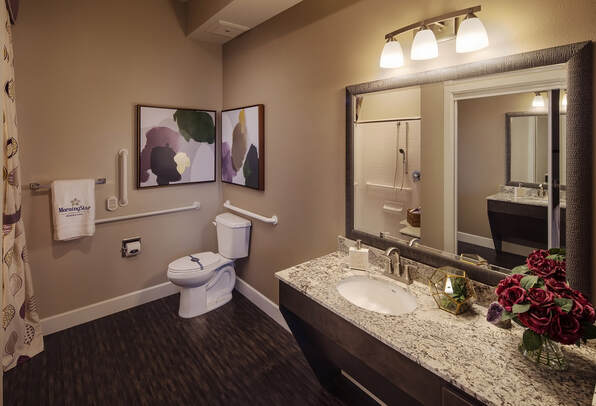 Practice makes perfect.
Long before you move to a senior housing community in Rio Rancho, New Mexico, you lived independently in your own home for many years. The same safety tips that you follow in your own home also apply to your new home at an assisted living facility. Let’s review home safety tips for seniors that you should follow as well at your new home at our assisted living facility in Rio Rancho. Be Prepared The last thing you want to do during an emergency is scramble to find the emergency phone numbers that allow you to call for immediate assistance. Write down every emergency contact phone number in large print and place the list next to a landline phone. If you have mastered operating a Smartphone, add emergency phone numbers in the phone by accessing the Contacts feature. Some of the emergency phone numbers to store include 911, poison control, and your healthcare provider, as well as friends and family members. Prevent Falls Falls represent one of the most common reasons why seniors visit hospital emergency rooms. You can prevent falls by implementing several strategies. Install handrails in the bathroom to provide you with stability if you start to slip and fall. Handrails also represent helpful additions in your home along stairways. Make sure to pick up all objects sitting in high-traffic areas of your home to prevent you from tripping and falling. Ask your healthcare provider to perform a risk assessment concerning your balance and coordination. Make Security a Priority Seniors are prime targets for criminals, which means you should implement several security tips to prevent criminals from taking advantage of you. Keep doors and windows locked at all times, even when you plan to stay home for the rest of the day. Never allow a stranger to enter your home if you are alone. Install a digitally advanced security system that includes a feature that allows you to quickly contact the nearest law enforcement agency if you feel threatened by an intruder. Avoid financial scams by talking over every proposed deal with a trusted friend or family member. Make Your Home Fire Resistant A fire can start at any time, without giving you any warning to react promptly by putting it out. Install a fire detector in every room and make sure to replace each battery twice a year. Never leave the kitchen if you are cooking a meal. Do not overload a socket or extension cord with multiple electrical cords and wires. Follow the rule of one cord, one socket. You should not leave a room with burning candles, as well as replace small appliances that attach to frayed or damaged electrical cords. For a large appliance, contact the nearest dealer to have a technician replace the damaged cord. Stay Safe at MorningStar-Rio Rancho At our senior housing community in Rio Rancho, NM, our caregivers receive comprehensive training on how to implement safety tips for our residents. We ensure residents receive the correct medications in the proper dosages. Our caregivers also educate residents on how to avoid bathroom hazards, as well as prevent carbon monoxide poisoning. The caregivers at our assisted living facility also conduct regularly scheduled safety inspections to keep residents safe and secure 24 hours a day. Learn more about how we keep residents safe and secure at our senior housing community in Rio Rancho by scheduling a tour.  Dementia care specialists say they are often asked when the best time is to place a loved one in memory care. The simple answer is it is different for each person as well as for each family. They add that while there is no definitive answer, there may be a downside to waiting too long and typically there is not a problem moving a person into memory care in the early stages.
Experts recommend families start the search for senior living communities offering specialized memory care once the level of daily care needed has surpassed that of what a family can effectively and safely provide. Caring for a loved one with dementia is both physically and emotionally challenging for family caregivers, and caregiver burnout is a real problem that can impact the caregiver’s health and wellbeing. Placing a person in a community specializing in dementia care allows family members to ease their role as caregiver and instead spend quality time with their loved one. It is important to keep in mind people in the later stages of Alzheimer’s lose a lot of their mobility. A petite woman trying to help her husband with the activities of daily living such as bathing, toileting, and dressing is difficult and can result in injuries to both of them. A designated memory care community can handle all of these tasks as they have the training, staff, and equipment to safely assist residents and prevent accidents. Another common problem Alzheimer’s patients have is a tendency to wander. This is again an example of how memory care communities are equipped to handle the problem. They have areas designed for residents to safely move about in but are secure in terms of wandering away from the community and getting lost or hurt. At MorningStar of Happy Valley, we provide specialized, compassionate care to those with Alzheimer’s and other dementia-related diseases. Every aspect of our Reflections Neighborhood is designed to meet the needs of residents from meaningful activities, trained caregivers, food service, security and more. If your loved one is suffering from Alzheimer’s or another form of dementia, they deserve the best care. Please contact us or visit our website for more information about assisted living or memory care at MorningStar. MorningStar is guided by a culture rooted in our mission of honoring God, valuing seniors, and investing in our team, which allows us to deliver services with warmth, sincerity and depth of purpose. We have built a reputation for creating homes filled with an atmosphere of love and community. Please contact us to learn more about the finest assisted living and memory care in Happy Valley, OR.  As we age, it becomes more important than ever to protect our health but making decisions on how we do it can be confusing at best. One day it seems this diet is better than another and they have lots of initials such as DASH, MIND, TLC or KETO as well as Mediterranean, vegan, vegetarian and flexitarian diets. Adding to the challenge is whether we need a daily multivitamin.
While it is a good idea to get advice from your healthcare provider, it doesn’t hurt to hear what some other experts say. For example, the Harvard School of Public Health says if you eat a healthy diet, a multivitamin may have little or no benefit. A healthy diet should include plenty of vegetables, fruits, whole grains, good protein sources and healthy fats. However, the National Academy of Medicine cautions some Americans may not be getting enough of specific vitamins and minerals such as vitamin D and vitamin E from food sources alone. Vitamin deficiency can also occur in people with diseases like celiac, ulcerative colitis, or cystic fibrosis, which cause their digestive systems to not function properly. Others who may benefit from the addition of specific vitamins include the elderly or conditions such as pregnancy, alcoholism and taking certain medications including treating high blood pressure. Doctors say even those with diseases such as osteoporosis may only need to increase their intake of nutrients targeted toward maintaining bone health, or if that is not possible to take a supplement. If in doubt, ask your healthcare team if you should consult with a dietician. Remember to let your doctors know about any supplements you are taking in case of drug interactions with prescription medications. MorningStar of Happy Valley is an assisted living and memory care community with beautiful common areas and well-designed suites. Our residents enjoy a lifestyle of comfort, wellness and community, and a hospitality and care team who feel called and honored to serve seniors. Please contact us or visit our website for more information about luxury senior living in Happy Valley, Oregon. MorningStar of Happy Valley’s foundation is based on the mission to honor God, value seniors and invest in our staff to create a unique senior living experience. Set in a warm, loving atmosphere with beautiful surroundings and resort-style amenities, we provide outstanding assisted living and memory care. Please contact our team to inquire about availability, pricing or to set up a tour. Source: hsph.harvard.edu/nutritionsource/multivitamin/  If you have become responsible for more and more of the caregiving duties of an elderly parent or another loved one, it may be time to consider a change. Today’s senior living options include assisted living that provides daily help with personal care, and actually helps residents regain their sense of independence. Also, once your loved one is getting the proper care they need, it allows you to get back to just enjoying the time you spend together. Moreover, assisted living communities like MorningStar of Happy Valley provide much more than just physical care. Along with a wealth of amenities, activities and services, it is designed to feel like a real home.
Our priority is to ensure your loved one gets the care they need. This starts with a thorough evaluation of their medical and personal history, followed by a care plan approved by the resident and their family. MorningStar’s services also help our families by providing transportation to doctor appointments as well as offer supportive services from third-party providers including physical therapy, occupational therapy and speech therapy. Residents have the opportunity for plenty of socializing and are encouraged to participate in a range of activities and wellness programs. While this is not a substitute for the time your loved one spends with family, you may find your mom or dad is not always available to take your call as they are busy having fun with other residents and staff. Our services also include providing housekeeping to help ensure residents’ homes are tidy and clean. By taking care of meals, we see to it your loved one gets the daily nutrition they need. Moreover, meals are served restaurant-style in our lovely dining room as we believe breaking bread together provides far more than physical nutrients but bonds us as family and friends. We also help with another common problem many seniors experience when living alone, which is forgetting to or improperly taking medications. We solve this by offering medication management services. Please contact us for more information about exceptional assisted living in Happy Valley, Oregon. Our beautiful community offers 88 assisted living and memory care suites in a variety of floor plans and configurations that range from 356 to 928 square feet. We also offer short-term stays ideal for those recovering from an illness/surgery or when a senior’s regular caregiver is on vacation. MorningStar takes tremendous pride in the reputation we have earned for excellence and authenticity since our inception in 2003. We believe the human capacity to grow, to learn and to contribute is ageless; and we act upon that truth daily, as we care for, inspire, and love the residents under our roof. Contact us for more information about the finest senior living in Happy Valley, Oregon.  Staying active physically is a lifestyle tip older adults hear on almost a daily basis. However, maintaining vigorous mental health is just as important of a tip. According to the National Institute of Health, playing games can be as mentally stimulating as reading a good book or spending time at a cultural attraction such as an art museum. What researchers have discovered is certain games called “brain games” help older adults bolster memory skills, which is an effective strategy to prevent the development of dementia symptoms.
As our assisted living facility in Rio Rancho, caregivers understand how brain games can enhance memory skills. They help older adults connect with loved ones, as well as give them a feeling of being in control. Stimulating games helps the brain make new neurotransmitter connections to keep seniors alert. Another benefit of games for seniors is that they help prevent the feelings of loneliness and isolation. Let’s review the most popular games for seniors. Bingo Bingo is one of the most popular games at our senior housing center in Rio Ranch, New Mexico. It does a great job of encouraging social interactions, while at the same time helping older adults overcome memory challenges. The mental health benefits of bingo stem from remembering the numbers called out, as well as searching for the numbers called out on playing cards. Checkers Checkers is considered one of the easiest board games for older adults to learn. The game is not as much about developing a winning strategy as it is about processing logic and improving hand-eye coordination. Checkerboards come in a wide variety of sizes to accommodate older adults who live with arthritis and/or vision challenges. Crossword Puzzles Crossword puzzles are popular at our assisted living facility in Rio Rancho for several reasons. First, crossword puzzles are easy to access, whether you find one in a newspaper or when you go online. Second, you do not have to recruit a playing partner, although you can work on a crossword puzzle with a fellow resident. Third, crossword puzzles test memory skills and help you develop strategies. Card Games Card games represent ideal brain sharpening tools, from playing solitaire alone to engaging with friends in a game of hearts. The best part is you can play these games in person or find a competitive card game online. Card games develop memory skills, as well as improve an older adult’s math skills. Many of our residents play card games in the community activities room in both formal and informal environments. Trivia A board game such as Trivia Pursuit is an effective way to stimulate the brain, as well as improve memory skills. Trivia games require players to dig deep in the mind to pull out what were considered once-forgotten facts. Playing a board game allows you to interact with other residents, but there are also plenty of online trivia games that initiate action in the brain. Stay Mentally Active by Playing Brain Games The memory program at our assisted living facility in Rio Rancho emphasizes the importance of staying mentally active. Playing games is the foundation of the plan to keep residents engaged with one another to bolster memory skills. We invite you to take a tour of the MorningStar of Rio Rancho assisted living facility to learn more about how our caregivers keep residents mentally sharp.  New Mexico has earned the appropriate nickname of the “Land of Enchantment.” From the stars dazzling the nighttime sky to sunlight bouncing different colors off rocky mountains, New Mexico lives up to its descriptive nickname. The state is also home to a wide variety of amazing animals, many of which you might see while hiking near our assisted living facility.
Here are the common critters of Rio Rancho, New Mexico: Bobcats As the smallest species of lynx, bobcats represent the most common wildcat in North America. They especially enjoy roaming the wide open spaces of New Mexico, including the prairies and rocky inclines located near our senior housing center in Rio Rancho. Adult bobcats can weigh from eight to more than 30 pounds and typically possess a docile disposition. It can be difficult to see one, as bobcats tend to maintain an elusive and solitary lifestyle. Coyote The piercing howl often heard at night makes the coyote appear to be a formidable threat. However, like the solitary bobcat, coyotes prefer to maintain a healthy distance from humans. They usually live in small packs that range from three to eight members. Coyotes can adapt to any type of living environment, as long as there is an abundant supply of food sources. They eat fruits and berries for snacks and when nighttime arrives, coyotes turn their attention to birds and animals for sustenance. Great Horned Owl As another animal that calls out at night, the great horned owl uses its ability to blend in with nature to hunt other birds and small mammals. With keen eyesight and crystal-clear hearing, great horned owls can detect the smallest prey several hundred yards away. Their talons can apply pressure that exceeds 500 pounds per square inch. As a nocturnal animal, the great horned owl typically becomes active at dusk after making a series of four to five hoots. Jackrabbit Jackrabbits are considered hares, not rabbits. They are shaped leaner than rabbits, which allows them to increase speed quickly to evade the many predators that lurk in the desert and mountain ranges. Jackrabbits can reach a top speed of 35 miles an hour, which helps them stay ahead of the hungry predators in the wildcat family. The residents at our assisted living facility in Rio Rancho can spot jackrabbits in grassy or semi-open areas after it rains when wet vegetation is on the menu. Roadrunner Where there are coyotes, roadrunners cannot be far behind in Rio Rancho, New Mexico. You can spot the state bird all year long across the city of Rio Rancho. Although roadrunners can fly, they spend the vast majority of their time on the ground reaching speeds up to 20 miles per hour. Roadrunners mostly eat insects and small snakes, which makes them an effective and highly popular form of pest control in New Mexico. Western Diamondback Rattlesnake This fanged reptile mostly roams desert ranges when it is hot enough to warm its cold blood. They lurk in crevices carved out of the landscape, as well as in wood piles and abandoned caves. The rattle acts as a warning device to any creature that wanders too close for its liking. Western diamondback rattlesnakes hunt small mammals and other reptiles such as lizards. Like some of the other critters on this list, this snake is hard to spot at any time of the year.Discover what we have to offer at our assisted living facility in Rio Rancho by scheduling a tour today.  Volunteering in senior years is a pathway to not only giving back to the community but also enhancing one’s own life. It provides a sense of purpose, the joy of connecting with others, and the satisfaction of making a difference. For residents in assisted living and assisted living Fountain Hills, along with those in senior living Scottsdale, engaging in volunteer work can offer numerous benefits, from improved mental health to increased physical activity. Here’s a closer look at how seniors can enrich their lives through volunteering.
1. A Sense of Purpose and Accomplishment Transitioning into retirement can leave some seniors searching for ways to feel useful and productive. Volunteering offers that opportunity, allowing individuals to contribute their skills and knowledge in meaningful ways. Whether it’s mentoring the younger generation, participating in community beautification projects, or providing companionship to those in need, the work done through volunteering brings a deep sense of purpose and accomplishment, values that are highly regarded in communities like assisted living Fountain Hills and senior living Scottsdale. 2. Social Connections and Community Isolation can be a challenge in senior years, but volunteering creates avenues for social interaction and community building. Working alongside others towards a common goal fosters friendships and connections, reducing feelings of loneliness. Assisted living communities often organize group volunteer activities, making it easier for residents to get involved and stay connected. 3. Mental and Physical Health Benefits The act of volunteering has been linked to various health benefits. It can reduce stress, combat depression, and keep the mind engaged, contributing to better mental health. Physical activities involved in certain types of volunteer work can also help keep seniors active, supporting their physical health. Facilities in senior living Scottsdale and assisted living Fountain Hills encourage volunteering as part of a healthy lifestyle for seniors. 4. Lifelong Learning and Skill Development Volunteering offers endless opportunities for learning and personal growth. Seniors can explore new interests, develop new skills, and even share their expertise with others. This aspect of volunteering is especially appealing for those in assisted living, who often have more time to pursue new learning opportunities. 5. Enhancing Self-Esteem Helping others through volunteer work can significantly boost self-esteem and confidence. Seniors who volunteer often report feeling more positive about themselves and their abilities to contribute positively to society. This boost in self-esteem is something that assisted living Fountain Hills and senior living Scottsdale aim to foster among their residents. Volunteering in senior years is a rewarding experience that offers far more than just the satisfaction of giving back. It brings purpose, connections, health benefits, opportunities for learning, and a sense of self-worth. For those in assisted living, assisted living Fountain Hills, and senior living Scottsdale, there are numerous ways to get involved and make a meaningful impact, proving that one is never too old to contribute to their community and enrich their own lives in the process.  A UCSF Division of Geriatrics study found 43 percent of seniors report regularly experiencing loneliness. Mayo clinic psychologist, Dr. Craig Sawchuk, Ph.D., explains why this can be a problem. He says as “social animals by nature; we tend to function better when we’re in a community setting and being around others.”
Several studies report a link between social isolation and an increased risk of disease, including one from the Academy of Science, which found loneliness can lead to higher rates of poor physical and mental health. Health concerns for isolated adults include hypertension, coronary artery disease, cardiac failure, depression, anxiety and Alzheimer’s disease. It becomes harder for seniors who live alone to socialize as they get into their upper 70s or 80s as many stop driving and/or suffer from chronic health problems affecting their mobility. Other contributing issues to loneliness in the elderly may include the death of a spouse or close family members and friends. To emphasize how important socialization is for older adults, the American Public Health Association explains the most effective way for seniors to improve their health is to increase socialization. They report “socialization improves mood, cognition, memory recall, and is associated with healthy behaviors, including exercise.” At MorningStar of Happy Valley, our goal is to promote physical, intellectual, spiritual and social wellbeing. We provide everything seniors need for quality of life and to age in place safely and comfortably. Along with luxury amenities, and care and hospitality services; our signature wellness programs and activities are designed to engage and encourage residents to live fully productive lives. In addition to assisted living and memory care, our beautiful community offers respite care (short recuperative stays) or trial stays (up to a full month) so you can see if we are a good fit. Please contact us today for more information about outstanding senior living in Happy Valley, Oregon. MorningStar has considered it a privilege and responsibility to “cast a new light” on senior living, inspired and empowered by our unique mission: to honor, to value, to invest. Our passionate commitment to serving seniors has proudly earned us a reputation for satisfaction that is second to none. Contact us for more information about the finest assisted living and memory care in Happy Valley, OR. Source: seniorlifestyle.com/resources/blog/the-mental-health-benefits-of-socializing-for-seniors/ |
